AI 3D model generator
AI miniature generator for tabletop games
Describe your party's rogue or your campaign's villain, check the concept image, and get a 3D model you can print at miniature scale the same evening.
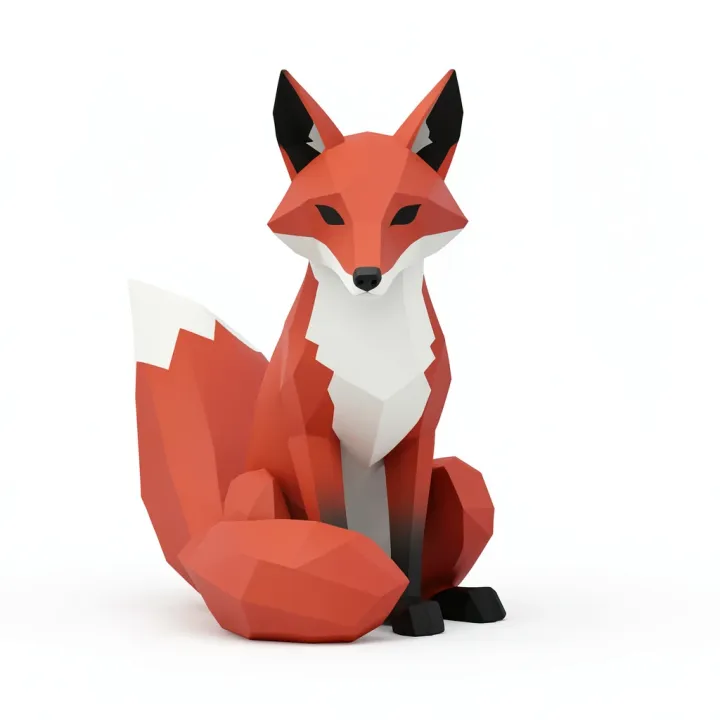 Loading model
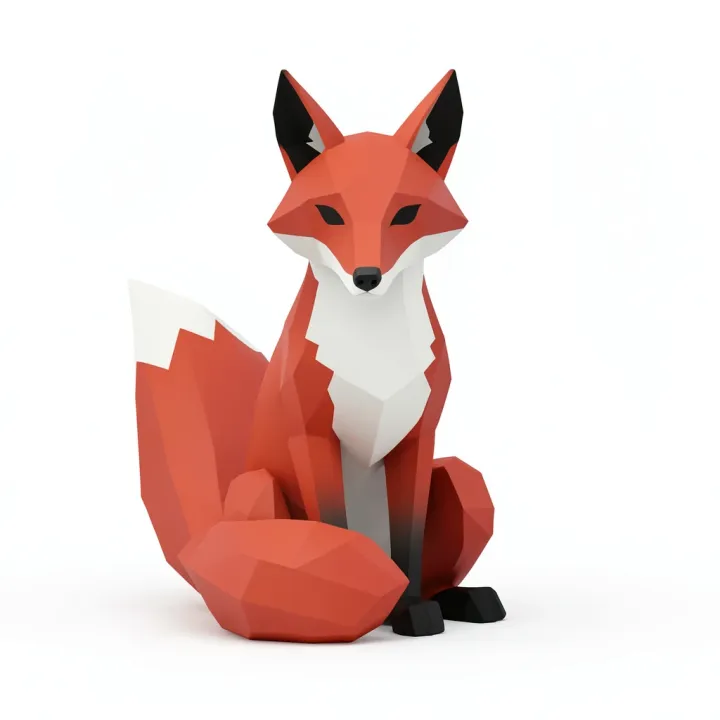
Fox figurine
From a FLUX.2 Klein concept image, meshed with Rodin Gen-2.
Optimised for the web; the file you download from the studio is full size.
Which format to use: STL or 3MF at miniature height
- Scale
- Most tabletop games use roughly 28 to 32 mm heroic scale; set the figure's height in the converter.
- Resin slicers
- Lychee Slicer opens STL, OBJ and 3MF.
- Printability
- A closed surface slices cleanly; thin weapons and limbs need thickening at this size.
From prompt to finished file
Describe the character
Full body, a clear pose, on a round base. Text to 3D shows you the concept image first.
Mesh and convert
Mesh it, download the GLB, and convert to STL at about 30 mm tall.
Support and print
In your resin or FDM slicer, tilt the figure and add light supports under arms and weapons.
Prompts to start from
- A dwarf cleric miniature holding a warhammer close to the chest, heroic proportions, standing on a round base, plain white backgroundOpen in Text to 3D
- A goblin archer miniature crouching on a round base, chunky stylised proportions, plain white backgroundOpen in Text to 3D
- An owlbear monster miniature on a round base, bold shapes, plain white backgroundOpen in Text to 3D
Tips for better results
Heroic proportions
Big hands, big heads and thick weapons survive at 30 mm; realistic proportions turn to spaghetti.
Weapons close to the body
A sword held across the chest prints; one held at arm's length snaps.
Use a character sheet
Generate the character in Image Studio first, then mesh the cleanest front three-quarter view.
Where AI models fall short
- Fine detail such as faces and buckles softens at 30 mm; stylised designs read better than realistic ones.
- Poses come from the image; to repose a model you need to rig it in Blender.
- Check the licence of any setting or character you base a figure on.
Questions
What size should a miniature be?
Most tabletop games use about 28 to 32 mm to the eyes or the top of the head. Set the height in the converter and compare it with a mini you already have.
Resin or FDM?
Resin keeps far more detail at miniature scale. FDM works for chunkier figures and terrain with a 0.2 mm or finer nozzle.
Can I make a miniature from a drawing?
Yes. Upload a clean drawing or render to Image to 3D. A front three-quarter view with the whole figure visible works best.
Why does my model come out the wrong size?
GLB is measured in metres and AI models are usually about a metre across. Scale it in your tool, or use the free converter, which can set an exact height in millimetres for printing.
Related guides and converters
- AI 3D models for 3D printingFigurines, gifts and props as STL or 3MF, scaled in millimetres.
- AI 3D character generatorStylised heroes, creatures and mascots, ready to rig.
- AI game asset generatorProps from concept art or a prop list, with PBR for any engine.
- Convert GLB to STLFree, in your browser
- Convert GLB to 3MFFree, in your browser
- Convert OBJ to STLFree, in your browser
Sources
AI miniature generator for tabletop games
From 4 credits per model. The price shows before you run it, and failed runs are refunded.